
1920s French Wax Wig Bust


1920s French Wax Wig Bust
Description
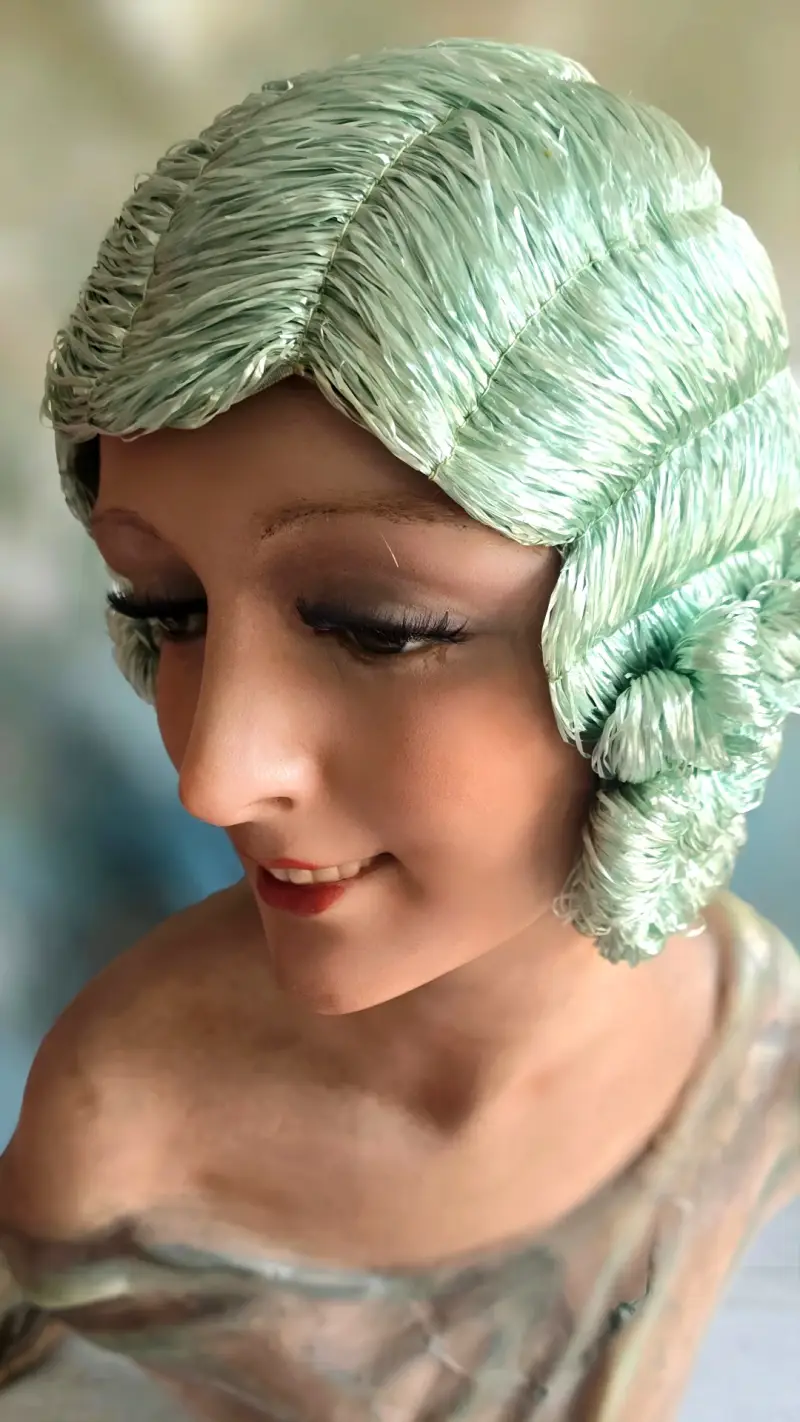
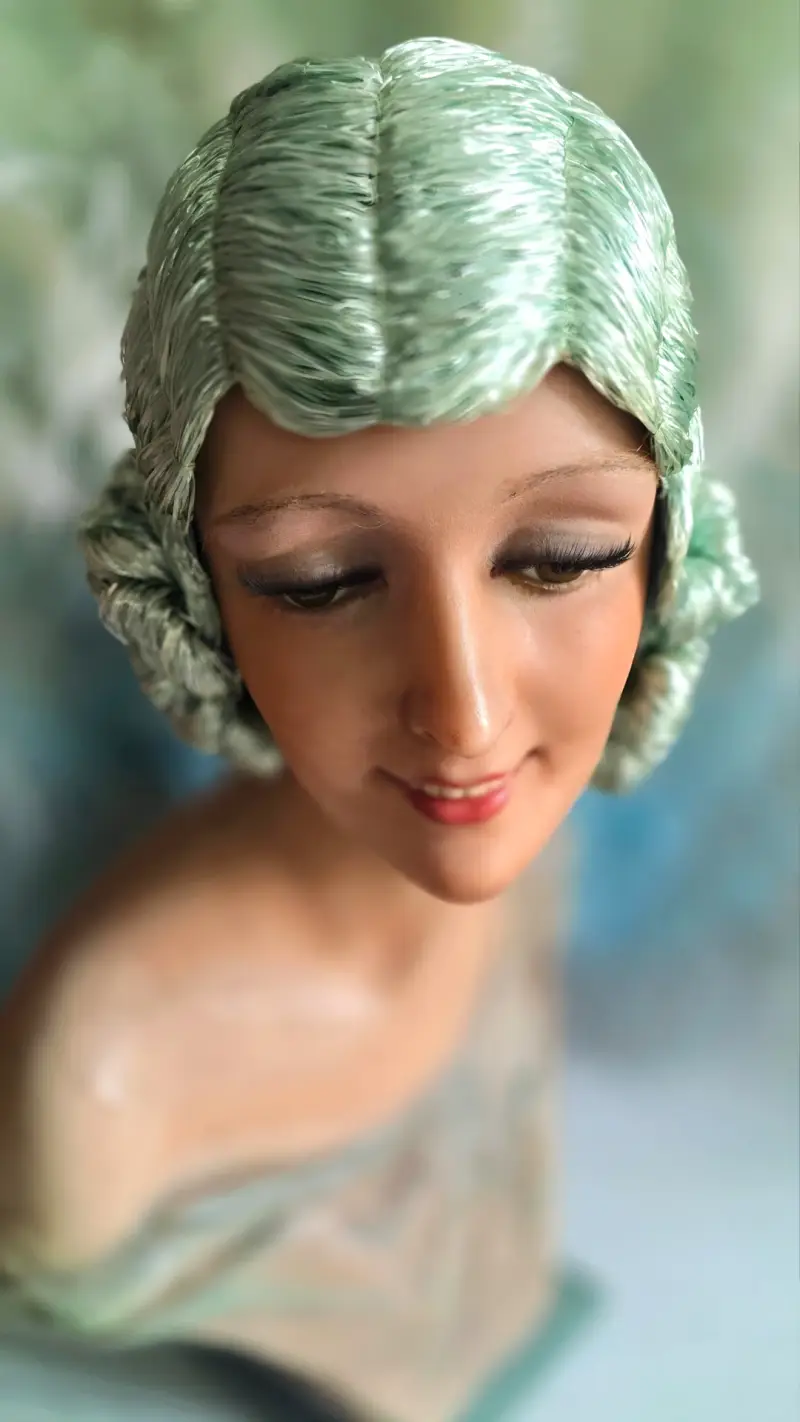
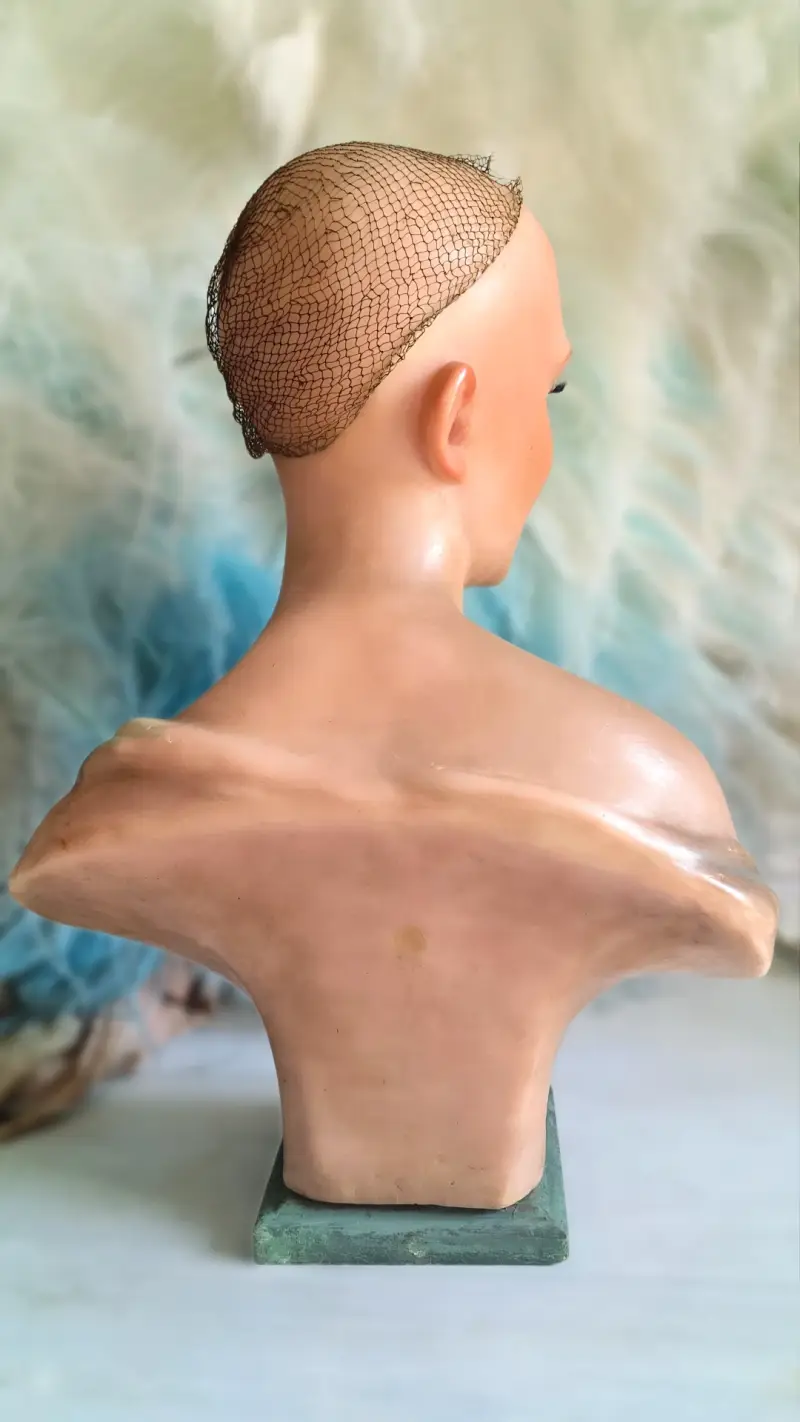
Graceful, elegant, and unmistakably French, this beautiful wax wig bust dates to the 1920s, when luxury department stores transformed shopping into an experience. Sculpted with delicately painted features and a refined Art Deco hairstyle, she was created not as a mannequin for clothing, but as a specialist display bust for showcasing the latest hats, wigs, necklaces, and fashionable accessories.
Her serene expression and softly modelled features reflect the artistry that made French wax mannequins famous throughout Europe. Even today, she possesses the quiet elegance that once captivated visitors strolling through the grand magasins of Paris.
Far more than a display piece, she is a silent witness to the golden age of French retail, fashion, and craftsmanship.
History
During the late nineteenth and early twentieth centuries, Paris was regarded as the world's capital of fashion. Prestigious department stores such as Le Bon Marché, Printemps, Galeries Lafayette, and La Samaritaine competed to create the most spectacular window displays imaginable. These displays were carefully designed to inspire customers and present the latest trends in an atmosphere of luxury and sophistication.
Specialized wax busts like this one played an important role within these displays. Rather than exhibiting complete garments, they were used to present elegant wigs, fashionable hats, veils, necklaces, and other accessories at eye level, allowing customers to appreciate every detail. Their lifelike appearance gave each display a sense of realism that papier-mâché or plaster could never achieve.
French workshops became internationally renowned for producing these extraordinary creations. Skilled sculptors modelled each face by hand before layers of tinted wax were applied, creating a remarkably natural complexion. Glass eyes, individually painted lips, and finely sculpted hairstyles completed the illusion of life.
Many of these wax busts disappeared as fashion changed and department stores modernised their interiors during the mid-twentieth century. Those that survived are now treasured by collectors, museums, and historians as rare reminders of an era when shop windows were works of art in their own right.
Today, this elegant bust continues the very purpose for which she was created over a century ago—beautifully presenting the fashion accessories that once defined Parisian elegance while preserving a fascinating chapter in the history of visual merchandising.
MUS-063