

Rare Georgian Pinchbeck Longuard Chain, c. 1810


Rare Georgian Pinchbeck Longuard Chain, c. 1810
There are jewels… and then there are survivors.
This extraordinary Georgian longuard chain, dating to circa 1810, is a rare and uninterrupted relic from an age of candlelit salons, grand tours, and whispered intrigue. Measuring an impressive 124 cm (49 inches), it retains its original continuous form—something seldom encountered today, as many such chains were later divided into shorter necklaces or bracelets. To find one still “infinite” in length is to encounter history untouched.
Longuards such as this were worn by elegant women of the Regency period—draped, doubled, or even knotted—moving gracefully with the rhythm of silk gowns and evening light. Portraits of the early 19th century, including those of aristocratic figures such as Lady Willoughby de Eresby, immortalize this very style: layered chains cascading with quiet opulence.
The Mystery of Pinchbeck
At its heart lies one of the great secrets of 18th-century craftsmanship.
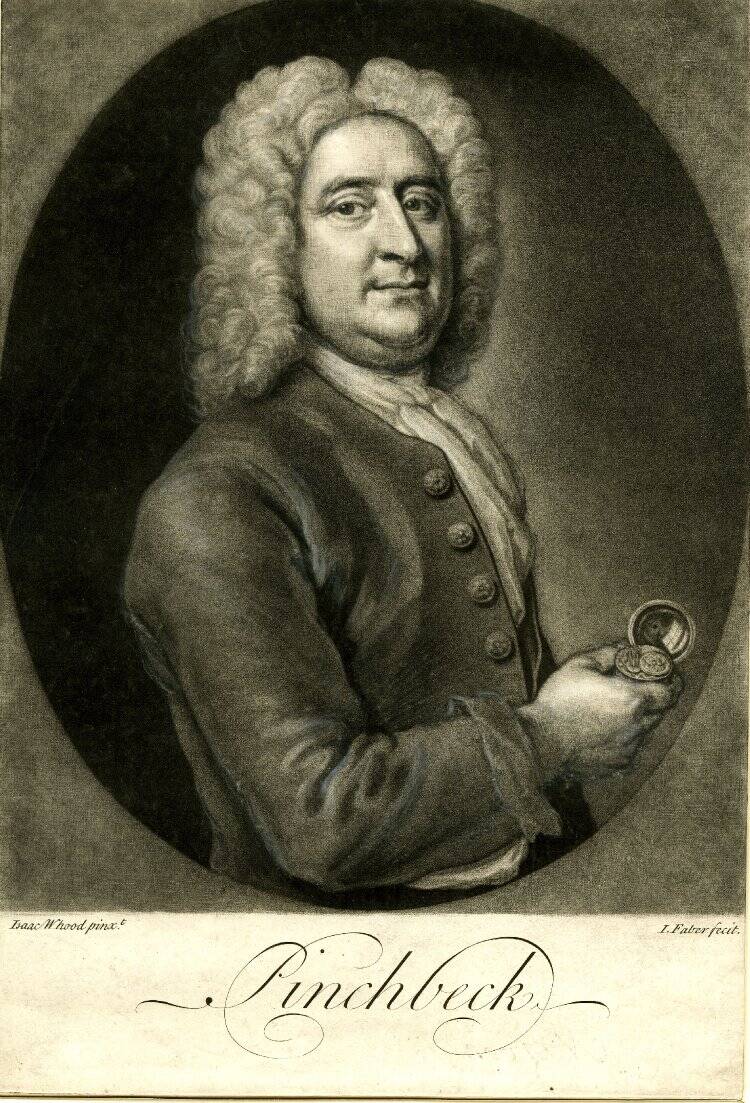
This chain is crafted from genuine pinchbeck, the remarkable alloy developed around 1720 by the London master craftsman Christopher Pinchbeck. Composed of copper and zinc, it was engineered to replicate the warm glow of high-carat gold so convincingly that even trained eyes could be deceived.
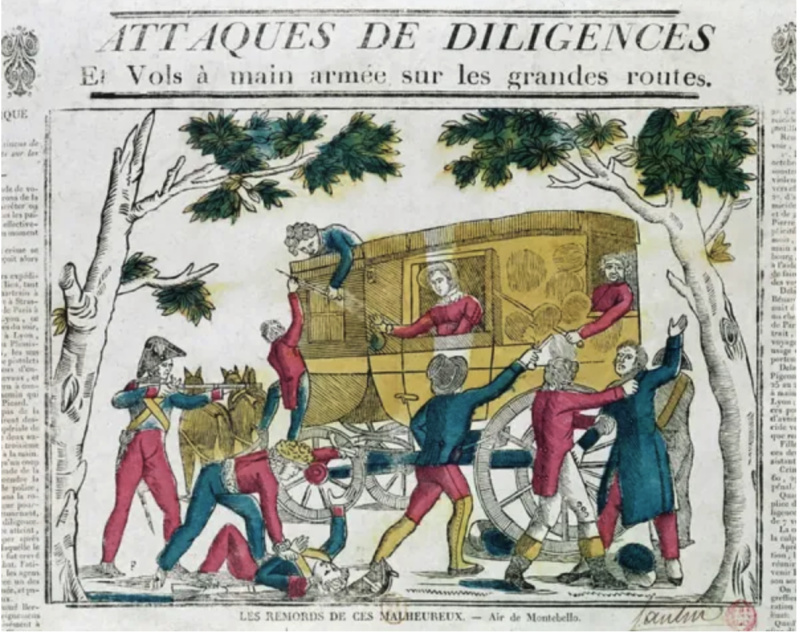
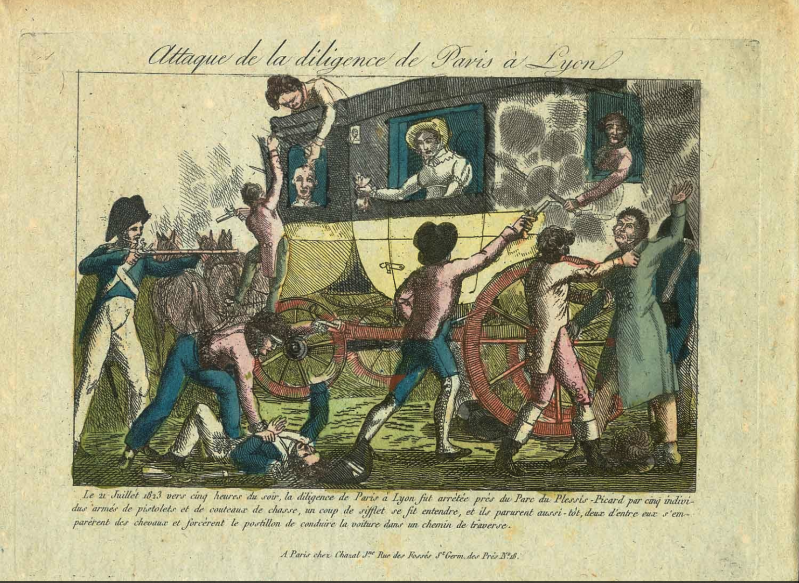
Yet pinchbeck was never intended as deception—it was innovation. Sold honestly as an alternative to gold, it allowed both the fashionable middle class and even the nobility to adorn themselves without risk. On long journeys, when highwaymen haunted the roads, ladies would wear pinchbeck jewels instead of their real gold—elegance without danger.
This example, created during the height of the Pinchbeck family’s production in the early 19th century, represents the pinnacle of that tradition.
Refined Craftsmanship
Each link is meticulously hand-formed in an ornate, scrolling design, echoing the decorative language of the late Georgian period. Set within these gilded frames are luminous panels of polychrome glass paste and hardstone, their colors—turquoise, amethyst, milk white, jade green, and deep crimson—evoking the richness of stained glass and precious gems.
Certain hues, particularly the intense reds and blues, were historically difficult to achieve, making their presence here all the more remarkable. Even after more than two centuries, the stones remain vibrant and intact, a testament to both craftsmanship and care.
The Patina of Time
Perhaps most captivating is the surface itself.
The chain remains unpolished, preserving a soft, natural patina built over 200 years. This gentle glow cannot be replicated—it is the quiet record of generations, of hands that have worn and cherished it. At the clasp, a subtle blush of warm copper reveals the honest composition of pinchbeck beneath, offering a discreet yet telling sign for the knowing eye.
A Living Relic
This is not merely an ornament—it is a fragment of social history.
A piece that once moved through ballrooms, traveled dusty roads, and adapted to the changing fashions of its time. Whether worn doubled, draped long, or knotted as Regency ladies once did, it retains a versatility that transcends centuries.
With all original elements intact and its full length preserved, this longuard stands as a rare collector’s piece and true museum example—a quiet witness to elegance, ingenuity, and survival.
Provenance & Historical Context
Christopher Pinchbeck (c. 1670–1732), a celebrated London clockmaker and inventor, gained international renown not only for his complex astronomical clocks and automata but also for the alloy that bears his name. His innovation reshaped the jewelry world of the 18th and early 19th centuries.
After his death, his sons continued the business, supplying finely crafted pinchbeck objects to an international clientele, including royal commissions. Genuine pinchbeck production is believed to have continued into the 1830s—placing this chain firmly within the authentic and most desirable period of manufacture.